
More Good Days, Together: A Guide to Mental Health Awareness Month 2026
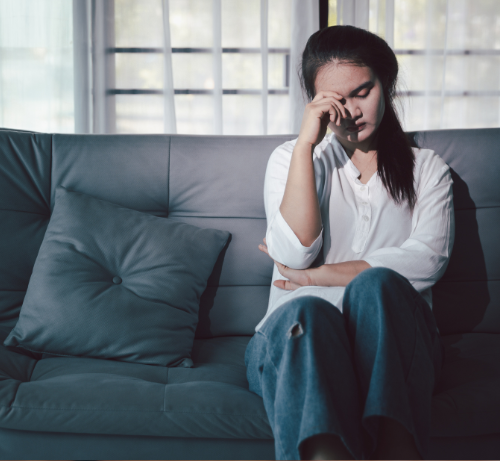
Every May, Mental Health Awareness Month encourages us to reflect on what it means to care for our emotional well-being. Since its beginnings in 1949, it has grown into a powerful reminder that mental health is something we all share—not just a concern for a few, but a universal part of being human.
The 2026 theme, “More Good Days, Together,” shifts the focus toward something simple yet meaningful: increasing the number of days that feel manageable, fulfilling, or even joyful. A “good day” doesn’t look the same for everyone. For some, it might mean completing daily tasks; for others, it might be finding a moment of peace or connection. The idea is not perfection, but progress—recognizing and valuing small wins.
Just as important is the emphasis on togetherness. Mental health is shaped not only by individual habits, but also by relationships, communities, and support systems. While each person’s journey is unique, no one is meant to navigate it alone.
Redefining What a Good Day Means
We often picture a good day as productive and stress-free. But in reality, a good day can simply mean coping a little better than yesterday. It might involve showing up, trying again, or taking care of yourself in small ways.
Think of well-being like the weather. Some days are bright and energetic; others feel heavy or uncertain. A good day isn’t about forcing sunshine—it’s about having the tools and support to handle whatever comes. Letting go of rigid expectations allows more days to feel like they count, and that shift can be deeply healing.
Caring for the Whole Self
Mental health touches every part of life—our thoughts, bodies, relationships, and environments. Supporting it means caring for the whole self, not just one piece.
This might include:
- Emotional care, like expressing feelings or talking to someone you trust
- Physical care, such as getting rest, eating well, and moving your body
- Social care, by building connections and setting boundaries
- Mental care, like practicing mindfulness or learning new coping skills
- Environmental care, by creating spaces that feel safe and supportive
These actions don’t need to be big to matter. Small, consistent efforts—like stepping outside for fresh air or taking a few quiet minutes—can build resilience over time. Caring for yourself isn’t indulgent; it’s what allows you to function and support others more effectively.
The Power of Connection
While personal habits are important, mental health is also shaped by the world around us. Supportive relationships, accessible resources, and open conversations all contribute to well-being.
Imagine mental health as a shared journey. When people check in on one another, listen without judgment, and offer support, the path becomes easier for everyone. Even simple gestures—a kind message, a moment of presence—can have a real impact.
Equally important is being open to receiving support. Needing help is not a weakness; it’s part of being human.
Finding Your Own Path
There is no single approach to improving mental health. What works for one person may not work for another, and that’s okay. The process is often about exploration—trying different strategies and adjusting along the way.
Some people benefit from therapy or medication, while others find support through community, creativity, or lifestyle changes. Many use a combination. The key is to start small, stay curious about what helps, and be patient with yourself.
Progress doesn’t have to be dramatic to be meaningful. If your days feel slightly more manageable, connected, or hopeful, that’s real progress.
Moving Forward Together
“More Good Days, Together” is not about eliminating hard days. Challenges are part of life. Instead, it’s about recognizing that better days are possible—and that we can help create them through compassion, support, and small, intentional steps.
When we broaden our definition of what a good day looks like, care for ourselves holistically, and lean on one another, those good days can become more frequent. And when they’re shared, they become even more meaningful.
